
Self-care
Don't forget to love yourself

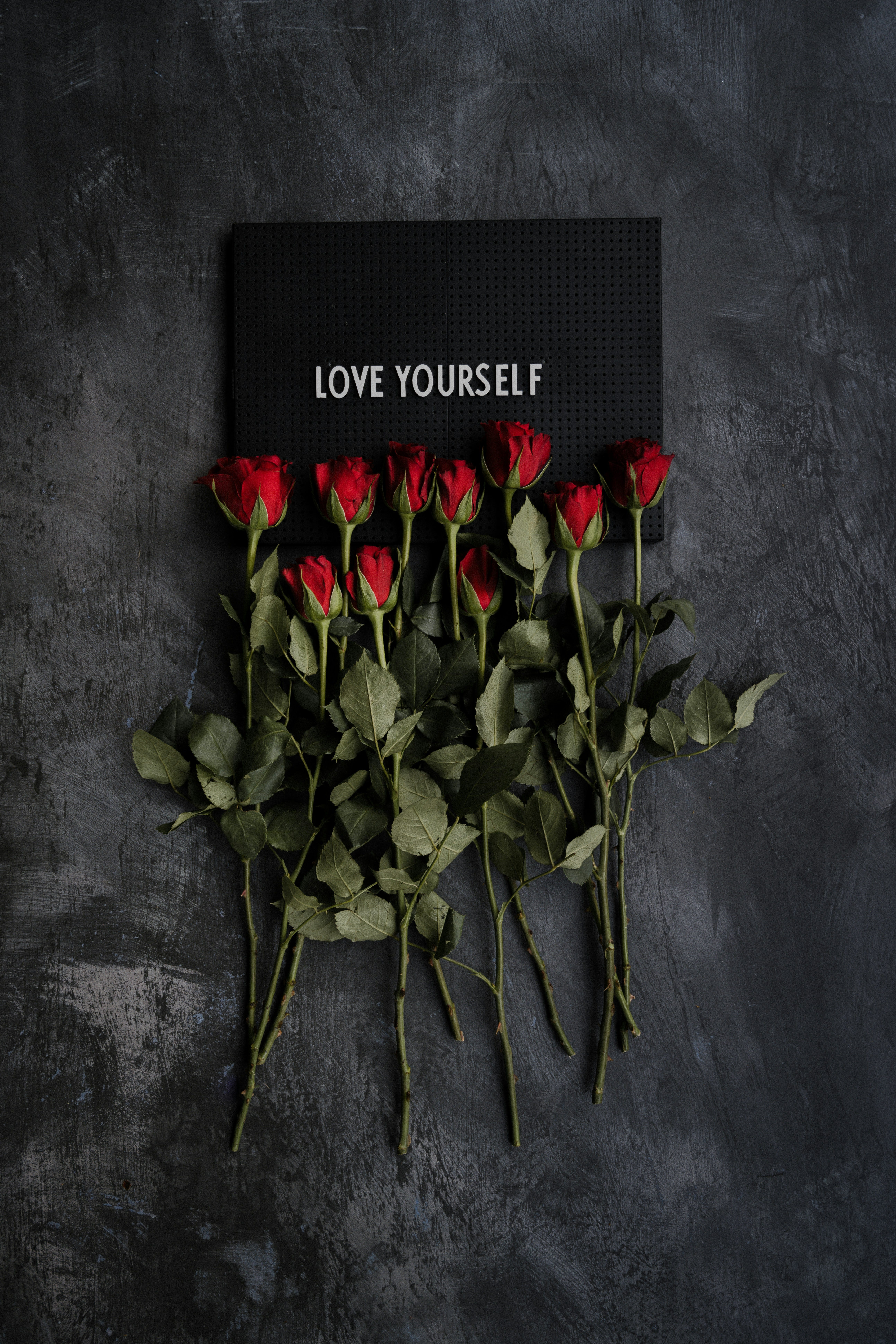
Caring for oneself might have been at the bottom of a priority list while holding down a job, raising a family, and managing the demands of a household. In late adulthood time becomes available to concentrate on self-care, but it can still be difficult to do.
Our church has emphasized loving Jesus, loving others, and loving yourself, or JOY, based on Luke 10:27,
He answered, ‘Love the Lord your God with all your heart and with all your soul and with all your strength and with all your mind’; and, ‘Love your neighbor as yourself. Luke 10:27, NIV
JOY is a helpful way to remember what Jesus described as the greatest commandments, and loving yourself is definitely part of the equation.
The church has also done a survey asking which of the following three is hardest for respondents: loving Jesus, loving others, or loving themselves. Apparently, by far the most common answer is that those surveyed have trouble loving themselves.
I asked Pastor Karl why this was, and he responded as follows,
Through people’s comments the last couple times we’ve surveyed, we see that there are overtures of 1) being very self-critical and struggling with shame from past mistakes, 2) being overextended in life (cumulative work and activity scheduling demands), 3) being more the giver in relationships (caregiving for family and friends in various ways), 4) being raised to always think of yourself last (a false view that self-care is selfish)
I believe the self-imposed expectations and “normal” pace of life in our society mixed with the superabundant opportunities for distraction create conditions that are not hospitable to true, helpful self-care and soul care.
Those insightful comments are no doubt true of many people in all stages of life, however, in late adulthood it becomes more obvious that if we don’t take care of ourselves, we won’t be of much use to others.
Physical self-care
I’ve read numerous articles about eating right, getting enough exercise, sleeping 7-8 hours a night, and drinking enough water, and I attempt to do it all. However, that advice always seems a bit too basic, for everyone knows they need to eat healthy food, move their bodies, and sleep. Knowing and doing are two very different things.
Each of us knows the areas with which we have trouble. We’ve tried to get more exercise but it’s often low on our priority list. We stock up on fruits and vegetables that eventually get tossed because we’ve never gotten around to eating them. And it’s not easy to get 7-8 hours of sleep. I’ve tried; it doesn’t always happen.
In reading Man’s Search for Meaning by Victor Frankl, I may have found an answer to my sleep issue. The last half of the book is a discussion of logotherapy, his psychiatric theory, and he describes a technique he calls paradoxical intention.
A man came to him who had a fear of perspiring, which made him perspire more, which increased his fear, and so on. Frankl advised him as follows,
…in the event that sweating should recur, to resolve deliberately to show people how much he could sweat. p. 116
It worked.
So, on a recent night when I worked at the library until 9:00 pm - those nights are particularly wakeful - I told myself that I was going to stay up as late as possible. I went to sleep.
Articles telling me to sleep 7-8 hours a night were not at all helpful, but Frankl’s book, of all things, gave me an idea that worked.
In whatever area you feel the need to improve physically, use your judgement, you know yourself, what works and what doesn’t, be open to ideas that come from unusual sources, and love yourself enough to become physically able to love Jesus and love others.
Emotional self-care
The need for emotional self-care is not as easy to detect as the need for physical self-care. People in great physical shape can be struggling emotionally, but no one, sometimes not even the struggling individual, understands.
Some days I feel emotionally depleted for no apparent reason - my emotional energy is not what it used to be. I want to love others, and there are more family members and friends to love, but emotionally I need a time out.
In late adulthood we experience more loss, have health issues ourselves or care for those we love, and other challenges that affect our emotional energy. Some of these things weigh heavily on us, which can be draining.
Be aware of your emotional state, don’t ignore it, share your feelings with a spouse or close friend, and go ahead and mourn or feel exhausted or frustrated, for these are legitimate feelings. Read the Psalms for honest expressions of emotional exhaustion.
A quiet day, a bit of silence, spending time reading the Bible and journaling, and honestly praying my praise, gratitude and requests generally restores my emotional energy.
We can’t love others well if we’re emotionally exhausted.
Spiritual self-care
Loving Jesus and knowing without a doubt that we are loved by God, no matter what, every minute of every day, is by far the most important aspect of self-care. Actually, it’s not so much self-care as going to the One who is able to care for us and lead us to spiritual maturity better than we are able to ourselves.
Every day when I read my Bible, I come to know God a little better. Some days I feel his love, am encouraged or challenged by a passage, and I must admit, other days I just read it and go about my business. But every minute spent with God is valuable.
Without love for Jesus, we can’t truly love others and ourselves well.
Ask God what the next step is for your spiritual maturity. It might be a Bible study, or an area of service, or establishing a regular place and time for prayer. Late adulthood is the perfect stage of life to invest in spiritual growth.
The more we become like Jesus, which is the goal of spiritual maturity, the better we will love him, love others, and love ourselves.
Live your late adulthood years with JOY, and don’t forget to love yourself.
Do you find it difficult to take care of yourself physically, emotionally or spiritually? If so, which one is most troublesome?
Photo by Annie Spratt on Unsplash
"... knowing without a doubt that we are loved by God, no matter what, every minute of every day, is by far the most important aspect of self-care." I think people struggle with this more than anything else. So many cannot understand that God's love is not based on their own view of themselves. They cannot get over the "how could God love someone like me" mindset.
I absolutely agree with your point that knowing we are loved by God is by far the most important aspect of self-care. Every time I drift to making something else the basis for my identity, I get anxious, striving, and seek other things to soothe and comfort me. And most times, those things invariably are detrimental to my self-care. Thanks, Judy!